Easy Personal Budgeting Methods for Beginners

Easy Personal Budgeting Methods for Beginners

Introduction

Personal budgeting is one of the most important financial habits anyone can build—especially beginners. Whether you’re trying to save money, avoid overspending, or simply understand where your income goes every month, following easy personal budgeting methods for beginners can change your financial life.

The good news? Budgeting doesn’t have to be complicated. You don’t need advanced financial knowledge, spreadsheets full of formulas, or expensive tools. All you need is a simple method, discipline, and consistency.

This complete guide will walk you through beginner-friendly budgeting methods, money management tips, and practical strategies that anyone can follow—no matter your income level or financial background.

What Is Personal Budgeting?

Personal budgeting is a planning technique where you track your income, categorize your expenses, reduce wasteful spending, and allocate money toward savings and goals. It’s essentially a roadmap for your money.

A good budget helps you:

  • Know how much money you have

  • Understand where your money is going

  • Control unnecessary expenses

  • Increase savings

  • Prepare for emergencies

  • Reduce debt

For beginners, budgeting builds the foundation for long-term financial stability.

Why Budgeting Matters for Beginners

If you’re new to managing money, here’s why budgeting is essential:

1. Helps You Stop Overspending

Most people overspend without realizing it. A budget shows you how much you’re actually spending—and where you need to cut back.

2. Helps Build Savings Faster

Budgeting ensures that a portion of your income goes into savings every month.

3. Reduces Financial Stress

When you know your financial situation clearly, you don’t panic when unexpected expenses appear.

4. Prepares You for Emergencies

A budget supports the creation of an emergency fund, which is crucial for financial safety.

5. Helps You Achieve Long-Term Goals

Whether your goal is buying a car, savings for travel, paying off debt, or future investment—budgeting makes it possible.

Easy Personal Budgeting Methods for Beginners (Most Effective 2025)

Below are the simplest and most effective budgeting systems designed specifically for beginners.

1. The 50/30/20 Rule — Most Beginner-Friendly Method

The 50/30/20 rule is one of the easiest budgeting frameworks.

Here’s how it works:

50% – Needs (Essential Expenses)

These are basic living expenses you must pay:

  • Rent or mortgage

  • Utility bills

  • Groceries

  • Transportation

  • Insurance

  • Minimum debt payments

30% – Wants (Non-Essential Expenses)

These expenses improve your lifestyle but are not necessary:

  • Eating out

  • Shopping

  • Entertainment

  • Vacations

  • Subscriptions

20% – Savings or Debt Repayment

This category supports your financial future:

  • Savings

  • Emergency fund

  • Extra debt payments

  • Investments

Why Beginners Love the 50/30/20 Method

  • Very easy to follow

  • Keeps spending under control

  • Helps build savings automatically

  • Flexible for different income levels

This method is perfect for anyone who wants a simple, quick budgeting system.

2. Zero-Based Budgeting (ZBB)

This budgeting method requires you to assign every dollar a purpose.

Formula:

Income – Expenses = Zero

That doesn’t mean you spend all your money—it means every dollar has a job, such as:

  • Groceries

  • Utilities

  • Saving

  • Investing

  • Emergency fund

  • Debt repayment

  • Personal expenses

Why It Works

  • Gives full control over finances

  • Eliminates wasteful spending

  • Helps understand exactly where every dollar goes

  • Perfect for people with tight budgets or unpredictable income

Zero-based budgeting is widely used by experts because it encourages discipline and financial clarity.

3. Envelope Budgeting Method (Cash-Based Strategy)

This is a physical or digital budgeting system where you divide money into separate “envelopes.”

How It Works

You create envelopes for categories like:

  • Food

  • Fuel

  • Entertainment

  • Shopping

  • Saving

  • Bills

You spend only what’s inside each envelope. When the envelope becomes empty, you must stop spending in that category.

Why Beginners Use It

  • Helps control overspending

  • Visual, simple, and disciplined

  • Very effective for managing cash flow

Digital versions of envelope budgeting apps also exist.

4. Pay Yourself First Method (Savings Priority Approach)

This method is about prioritizing savings before anything else.

How It Works

  1. Salary comes in

  2. Immediately transfer 20–30% to savings

  3. Use the remaining money for expenses

Benefits

  • Builds savings fast

  • Creates strong financial discipline

  • Helps reach goals faster

  • Reduces temptation to overspend

This is one of the best methods if your main goal is savings.

5. Using Budgeting Apps & Spreadsheets

Technology makes budgeting easier than ever.

Popular Budgeting Apps

  • YNAB (You Need A Budget)

  • Mint

  • PocketGuard

  • Goodbudget

  • EveryDollar

Why Apps Are Great for Beginners

Google Sheets templates also work amazingly well for beginners who prefer manual control.

Step-by-Step Guide for Beginners to Create Their First Budget

Follow these steps to start budgeting today:

Step 1: Calculate Your Total Monthly Income

Include:

  • Salary

  • Side jobs

  • Freelancing

  • Investments

  • Any consistent income source

Step 2: List All Your Monthly Expenses

Break them into categories:

  • Rent

  • Bills

  • Groceries

  • Fuel

  • Insurance

  • Subscriptions

  • Personal spending

Step 3: Choose Your Budgeting Method

Pick one:

  • 50/30/20

  • Zero-based

  • Envelope method

  • Pay yourself first

  • App-based budgeting

Step 4: Allocate Money to Each Category

Distribute your income based on your chosen method.

Step 5: Track Your Spending Daily or Weekly

Tracking keeps your budget working.

Step 6: Review & Adjust Every Month

Your income and expenses may change—your budget should too.

Beginner Budgeting Tips to Stay on Track

  • Never spend more than you earn

  • Reduce unnecessary expenses

  • Start an emergency fund

  • Use cash for difficult categories

  • Avoid impulse buying

  • Cancel unused subscriptions

  • Review your budget at the end of every month

  • Set financial goals and keep them visible

Common Budgeting Mistakes Beginners Should Avoid

  • Not tracking expenses

  • Forgetting small purchases

  • Using credit cards excessively

  • Not building an emergency fund

  • Creating unrealistic budgets

  • Ignoring financial goals

  • Not adjusting the budget when income changes

Avoiding these mistakes ensures long-term success.

Conclusion

Budgeting doesn’t have to be complicated—especially when using easy personal budgeting methods for beginners. Whether you choose the 50/30/20 rule, zero-based budgeting, envelope budgeting, or the pay-yourself-first technique, the key is consistency.

A budget is more than a financial plan; it‘s a tool that helps you take control of your life, build strong money habits, reduce financial stress, and achieve long-term financial freedom.

Start today with one simple method, track your progress, and watch your financial confidence grow!

Your paragrapBest Personal Budgeting Methods for Low Incomeh text

Best Personal Budgeting Methods for Low Income

Introduction

Finding the best personal budgeting methods for low income households has become essential, especially with rising rent, higher grocery prices, and increasing utility bills across the US. Many people living paycheck to paycheck often ask:

“How do I budget on a low income?”
“How can I save money if my salary is not enough?”
“Is budgeting even possible for low earners?”

The good news is:
Yes, it is absolutely possible.

Budgeting is not about earning more money — it’s about managing what you already have in a smarter and more intentional way. Even the best personal budgeting methods for low income situations are simple, practical, and easy to apply. And once you learn them, you gain full control of your money, reduce stress, avoid debt, and finally start saving.

This guide explains the best personal budgeting methods for low income households using real-life strategies that actually work.

1. Calculate Your Total Monthly Income

Every effective low-income budget starts with knowing exactly how much money you receive each month. This is the foundation of all the best personal budgeting methods for low income families.

Include all income sources:

  • Full-time or part-time job

  • Gig work (DoorDash, Uber, Instacart)

  • Freelancing or online work

  • Business side income

  • Government benefits

  • Child support (if applicable)

Never estimate your income. Use confirmed, accurate numbers so your budget does not collapse later. A clear income calculation is the first step toward financial control.

2. List Every Monthly Expense You Have

To apply the best personal budgeting methods for low income earners, you must understand where every dollar goes.

Fixed Monthly Expenses:

  • Rent

  • Utilities

  • Internet / phone

  • Car payments

  • Insurance

  • Childcare

  • Loans

Variable Monthly Expenses:

  • Groceries

  • Gas

  • Eating out

  • Clothing

  • Entertainment

  • Household needs

  • Personal spending

Once you write everything down, budgeting becomes easier because nothing is hidden or unexpected anymore. Most people discover expenses they didn’t realize they were wasting money on.

3. Use a Modified Budget Formula for Low Income

Traditional formulas don’t always work for low earners. So the best personal budgeting methods for low income include using a modified formula.

Best version for low income:

  • 70% Needs

  • 20% Savings or debt payoff

  • 10% Wants

If your income is extremely tight:

  • 75–80% Needs

  • 10–15% Savings

  • 5–10% Wants

The purpose is not perfection.
The purpose is stability and control.

4. Apply Zero-Based Budgeting (Highly Recommended)

Zero-based budgeting is one of the best personal budgeting methods for low income people because every dollar gets a job.

Income – Expenses = Zero
(NOT meaning “you spend all money,” but “you PLAN all money.”)

Example (Income $2,400):

Category Amount
Rent $900
Groceries $350
Transportation $140
Utilities $160
Phone $50
Insurance $150
Debt payments $200
Savings $250
Emergency fund $100
Personal spending $100
Miscellaneous $50

Nothing is left unplanned.
Zero-based budgeting prevents overspending and gives you complete clarity.

5. Lower Your Grocery Costs With Simple Tricks

For low income households, groceries are one of the biggest monthly expenses. To apply the best personal budgeting methods for low income families, reducing grocery costs is a major step.

Tips to reduce grocery spending:

  • Use a weekly grocery list

  • Buy store-brand instead of name-brand

  • Shop at Aldi, Walmart, Dollar Tree

  • Avoid pre-cut / pre-made meals

  • Use cashback apps (Fetch, Ibotta, Rakuten)

  • Cook at home more often

  • Avoid shopping when hungry

  • Buy bulk only when necessary

Even saving $10–$20 per week equals $500–$1,000 a year.

6. Pay Off High-Interest Debt First

Debt destroys low-income budgets faster than anything else. High-interest credit card debt should be your top priority.

Two powerful methods:

Snowball Method:
Pay the smallest debt first → faster motivation.

Avalanche Method:
Pay the highest-interest debt first → saves more money long-term.

Both are effective. Choose whichever keeps you motivated.

7. Build an Emergency Fund Slowly

Many of the best personal budgeting methods for low income earners emphasize emergency savings.

Goal:
Save 3 months of living expenses.

But start small:

  • $1 a day

  • $20 a week

  • $50–$100 a month

Even $500 saved can protect you from financial emergencies.

8. Increase Your Income With Easy Side Hustles

No budget is complete without increasing income. Earning even $200–$300 extra per month can drastically improve your budget.

Best low-income-friendly side hustles:

  • Uber / Lyft / DoorDash

  • Freelancing (writing, design, VA)

  • Selling items on eBay or FB Marketplace

  • Online part-time remote jobs

  • Babysitting or pet sitting

  • Renting out a room or storage space

  • YouTube automation

  • Affiliate marketing

Small income increases = big budget improvements.

9. Use Budgeting Apps to Track Expenses

Effective tracking is essential to all best personal budgeting methods for low income households.

Best budgeting apps:

  • Mint

  • EveryDollar

  • GoodBudget

  • YNAB (paid)

  • PocketGuard

  • Google Sheets

Daily tracking prevents overspending and helps create healthy money habits.

10. Cut Unnecessary Expenses Immediately

Many people think they need more income. Sometimes they just need fewer unnecessary expenses.

Cut these expenses:

  • Multiple streaming services

  • Eating out too often

  • Expensive phone plans

  • Impulse purchases

  • Brand-name items

  • Gym memberships

  • Buying new instead of used

Replace them with cheaper alternatives:

  • Prepaid phone plans

  • Public transport

  • Home workouts

  • Thrift stores

  • Warehouse stores

  • Meal prepping

Less waste = more money.

11. Review Your Budget Monthly

The best personal budgeting methods for low income families require monthly review.

Ask yourself:

  • Did I overspend?

  • Can I increase savings?

  • Can I remove unnecessary expenses?

  • Do I need to adjust categories?

Small monthly adjustments → huge long-term improvement.

Conclusion

Using the best personal budgeting methods for low income households can transform your financial life, even if money feels tight today. By calculating your income, tracking your expenses, using zero-based budgeting, reducing waste, increasing your earnings, and building savings, you gain long-term financial control.

Budgeting is not about restricting yourself — it is about empowering yourself.

Even the smallest improvements, repeated consistently, can change your financial future.

How to Budget Money on Low Income in 2025

How to Budget Money on Low Income For 2025

Introduction

Learning how to budget money on low income can feel challenging, especially when rent, groceries, and daily expenses continue to rise. Many people living paycheck to paycheck struggle to manage their finances, save money, or build any financial stability. The good news is that with the right budgeting strategy, even a limited income can be organized in a way that reduces stress, cuts unnecessary spending, and helps you save more every month. This guide will show you simple and practical steps to manage your money effectively on a low income.

1. Calculate Your Total Monthly Income

The first step to budgeting is knowing exactly how much money you bring in every month.

Include all income sources:

  • Full-time or part-time job

  • Freelancing or gig work

  • Side jobs

  • Business income

  • Government benefits

  • Child support (if applicable)

Avoid estimating — use confirmed numbers only.
This gives you a realistic foundation for your budget.

2. List All Monthly Expenses

To create a working budget, you must first understand where your money goes.

Fixed Expenses (same every month):

  • Rent or mortgage

  • Utilities (electricity, gas, water)

  • Internet & phone bill

  • Car payments

  • Insurance

  • Childcare

  • Loan payments

Variable Expenses (change monthly):

  • Groceries

  • Gas & transportation

  • Eating out

  • Clothing

  • Household items

  • Entertainment

  • Personal spending

Once everything is written down, you gain complete visibility of your financial situation. You may even discover unnecessary expenses without realizing it.

3. Use the Modified 50/30/20 Rule for Low Income

How to budget money on low income standard budgeting formula often doesn’t work for low-income households, so a modified version is easier and more effective.

Updated version for low-income budgeting:

  • 70% – Needs (rent, bills, groceries, medicine)

  • 20% – Savings (or debt payoff)

  • 10% – Wants (eating out, entertainment, subscriptions)

If your income is extremely limited, you can change it to:

  • 75–80% Needs

  • 10–15% Savings

  • 5–10% Wants

The goal is not perfection.
The goal is control.

4. Use Zero-Based Budgeting (Best for Low Income)

How to budget money on low income Zero-based budgeting is one of the most effective methods when money is tight.

It means: every single dollar is assigned a purpose.
At the end of your planning:
Income – Expenses = $0

Example:
If your income is $2,500/month

Category Amount
Rent $900
Groceries $350
Transportation $150
Utilities $180
Cell phone $50
Insurance $150
Debt payments $200
Savings $250
Emergency fund $100
Personal spending $120
Miscellaneous $50

Total = $2,500 — No “leftover money” without a purpose.

This method prevents overspending and gives you full control.

5. Reduce Grocery Spending With Smart Tricks

Groceries are one of the biggest expenses for low-income households in the US.
Try these money-saving tips to cut your bill by 20–30%:

Tips to reduce grocery costs:

  • Make a weekly grocery list

  • Buy store-brand items

  • Shop at discount stores (Aldi, Walmart, Dollar Tree)

  • Use coupons and cashback apps (Ibotta, Rakuten, Fetch Rewards)

  • Avoid buying ready-made meals

  • Don’t shop when you’re hungry

  • Cook simple, healthy meals at home

  • Buy items in bulk only when needed

Even saving $10–$15 per week can equal $600–$720 a year.

6. Pay Off High-Interest Debt First

Debt drains your income and increases long-term financial stress.

Focus on clearing high-interest debt (especially credit cards) first.

Two most effective methods:

1. Snowball Method
Pay off small debts first → quick wins → motivation increases.

2. Avalanche Method
Pay highest-interest debt first → saves the most money.

Choose whichever method feels easier for you.

7. Build an Emergency Fund (Even Small Amounts Count)

An emergency fund keeps you from relying on loans or credit cards when life gets tough.

Goal:

Save 3 months of living expenses

But start small:

  • $5 a day

  • $20 a week

  • or $50–100 a month

Even $500 saved can prevent financial disasters.

8. Look for Ways to Increase Your Income

No budget is complete without improving your earning potential.
A tight budget gets easier when more money starts coming in.

Low-income friendly side hustles in the USA:

  • Freelancing (writing, graphic design, virtual assistance)

  • Uber, DoorDash, Instacart

  • Selling products online (eBay, Etsy, Facebook Marketplace)

  • Remote part-time jobs

  • Babysitting or pet sitting

  • Renting a room or space

  • Affiliate marketing

  • YouTube automation

Even an extra $200–300 per month changes your entire financial situation.

9. Use Budgeting Apps to Track Spending

Budgeting apps make money management easy and automatic.

Best free budgeting apps:

  • Mint

  • EveryDollar

  • GoodBudget

  • Google Sheets (simple and customizable)

  • PocketGuard

  • YNAB (paid but excellent)

Tracking your money daily helps you avoid overspending.

10. Cut Unnecessary Expenses

Small expenses add up quickly and silently drain your wallet.

Cut or reduce these:

  • Multiple streaming services

  • Eating out regularly

  • Expensive phone data plans

  • Impulse shopping

  • Energy-wasting habits

  • Gym memberships (use home workouts instead)

  • Brand-name products

Switch to cheaper alternatives:

  • Prepaid phone plans

  • Public transportation

  • Meal prepping

  • Thrift stores

  • Used items (furniture, electronics)

Sometimes you don’t need more income—just less waste.

11. Review Your Monthly Budget Regularly

Your budget is a living document, not a one-time activity.

At the end of each month, ask yourself:

  • Did I overspend anywhere?

  • Can I increase savings?

  • Are there expenses I can eliminate?

  • Do I need to adjust anything for next month?

Regular review = long-term success.

Conclusion

Budgeting on a low income is challenging, but it is absolutely possible with the right plan. By calculating your income, tracking your expenses, using zero-based budgeting, reducing unnecessary costs, building savings, and increasing your income, you can take full control of your financial life.

Remember:
Budgeting is not about restricting yourself — it’s about empowering yourself.
Even small improvements, made consistently, can completely transform your finances.

If you want, I can also create for you:
✔ SEO title options
✔ Meta description
✔ FAQs with schema
✔ Featured image ideas
✔ Internal linking suggestions

best-money-and-budget-

7 Best Budgeting Apps of 2025

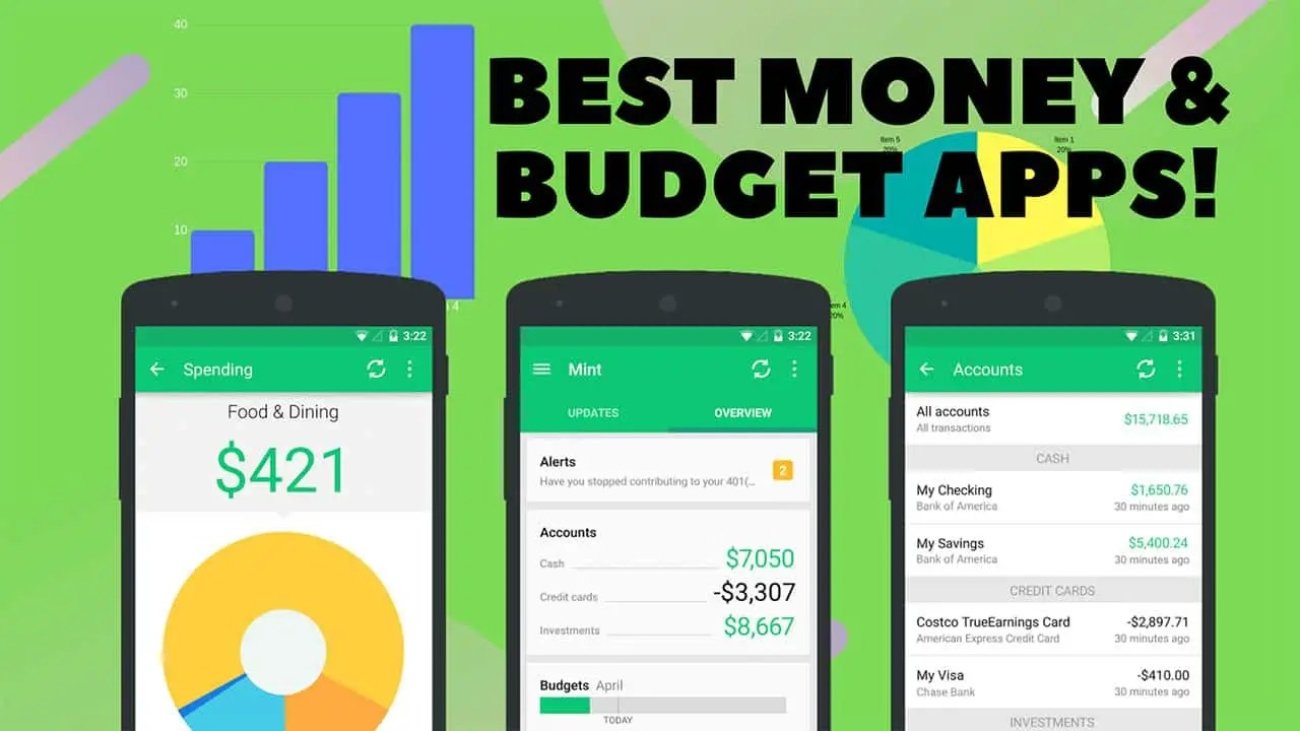
In an era of digital finance, mastering your money requires more than a spreadsheet. Best Budgeting Apps have emerged as essential tools, transforming smartphones into powerful financial command centers. These applications go beyond simple tracking, offering a strategic framework for personal finance management. They automate the tedious task of categorizing expenses, provide real-time insights into spending habits, and illuminate the path toward your savings goals. Whether you aim to eliminate debt, build an emergency fund, or simply gain clarity, the right app delivers the structure and visibility needed to turn financial aspirations into achievable reality, making true financial control possible for everyone.

1. Mint: The Free, All-in-One Classic for Beginners

For over a decade, Mint has been the go-to free budgeting app for millions. Now integrated under the Intuit umbrella (alongside TurboTax and Credit Karma), it remains a powerful and comprehensive tool for getting a full picture of your financial health.

Key Features of Mint:

  • Automatic Transaction Tracking: Connect your bank accounts, credit cards, loans, and investments in one place. Mint automatically categorizes your transactions.

  • Customizable Budgets: Set monthly budgets for different categories. Mint tracks your spending in real-time and alerts you when you’re approaching your limit.

  • Bill Payment Reminders: Never miss a due date again. Mint sends alerts for upcoming bills and can even track your payment history.

  • Free Credit Score Monitoring: Get regular updates on your credit score and understand the factors that influence it.

  • Trends and Visualization: Use detailed charts and graphs to visualize your spending habits, net worth, and cash flow over time.

The Verdict: Pros and Cons

  • Pros: Completely free, user-friendly interface, excellent for a high-level financial overview, robust automatic tracking.

  • Cons: Can be ad-supported, categorization can sometimes be inaccurate requiring manual fixes, investment tracking is basic.

Who is Mint For?

Mint is perfect for beginners who want a free, easy-to-use dashboard to see all their finances in one place. It’s ideal for anyone who wants automated tracking and basic financial insight without any upfront cost.

2. YNAB (You Need A Budget): The Proactive Method for Serious Budgeters

YNAB (You Need A Budget) is more than an app; it’s a philosophy. Based on a proven four-rule method, its core principle is to “give every dollar a job.” This zero-based budgeting approach is designed to break the paycheck-to-paycheck cycle and build serious wealth. It’s a premium, subscription-based app with a cult-like following for a reason: it works.

Key Features of YNAB:

  • Zero-Based Budgeting: You assign every dollar of your income to a specific category (bills, savings, spending) until your income minus your allocations equals zero.

  • Embrace Your True Expenses: Break down large, infrequent expenses (like car insurance or holiday gifts) into manageable monthly savings goals.

  • Age Your Money®: This metric encourages you to build a buffer so you’re eventually spending money you earned at least 30 days ago, reducing financial stress.

  • Robust Goal Tracking: Set goals for everything from paying off debt to saving for a vacation.

  • Exceptional Educational Resources: Access live workshops, detailed guides, and a supportive community to help you master the method.

The Verdict: Pros and Cons

  • Pros: Powerful, proactive method for getting out of debt, incredible customer support and education, seamless syncing across devices, no ads.

  • Cons: Steep learning curve, monthly/annual subscription fee ($14.99/month or $99/year), requires a hands-on, consistent time commitment.

Who is YNAB For?

YNAB is ideal for individuals or families who are serious about taking control of their money, are struggling with debt, or want to aggressively save. It’s for those who prefer a proactive, hands-on approach and are willing to pay for a system that delivers profound results.

3. PocketGuard: For Simplifying Your Cash Flow

Sometimes, you don’t need a complex financial plan—you just need to know the answer to one simple question: “Can I afford this right now?” PocketGuard is designed to answer that question by simplifying your finances and showing you exactly how much disposable income you have after accounting for your bills, goals, and necessities.

Key Features of PocketGuard:

  • “In My Pocket”: The app’s central feature is a simple number that shows you how much you have available for everyday spending.

  • Bill Negotiation: PocketGuard’s PocketGuard Plus service can actually analyze your recurring bills (like cable, internet, or insurance) and help you negotiate better rates to lower your bills.

  • Automated Savings Goals: Set goals and let the app automatically set aside small amounts of money to help you reach them faster.

  • Clean, Simple Interface: The design is intuitive and focused on delivering immediate, actionable information without clutter.

The Verdict: Pros and Cons

  • Pros: Extremely easy to use, great for preventing overspending, unique bill-negotiation feature, free version is quite capable.

  • Cons: Less focused on long-term wealth building, the ultra-simple approach might be too basic for advanced users.

Who is PocketGuard For?

PocketGuard is best for those who feel overwhelmed by detailed budgeting or who consistently overspend. It’s perfect for anyone who wants a quick, simple snapshot of their available spending money.

4. Good budget: The Digital Envelope System

Before apps, there was the cash envelope system—a powerful, tactile method where you allocated cash to different spending categories. Good budget modernizes this classic, effective approach for the digital age.

Key Features of Good budget:

  • Digital Envelopes: Create envelopes for your spending categories (e.g., Groceries, Rent, Fun Money). You allocate money to each envelope at the start of the month and spend from them digitally.

  • Sync and Share: Perfect for couples or families. The app syncs across multiple devices so everyone in the household is on the same financial page.

  • Manual Transaction Entry: Unlike Mint, Good budget doesn’t automatically connect to all accounts for spending tracking. You manually add transactions, which forces mindfulness and awareness of every dollar spent.

  • Debt Tracking: Specifically designed tools to help you plan your debt payoff journey.

The Verdict: Pros and Cons

  • Pros: Excellent for couples, enforces disciplined spending, free plan available, no need to link bank accounts (enhances privacy).

  • Cons: Manual entry requires more time and discipline, the free version is limited in the number of envelopes and devices.

Who is Goodbudget For?

Good budget is ideal for couples managing a household budget together and for individuals who prefer the discipline of the envelope system. It’s great for those who want to be highly intentional with their spending and may be wary of linking all their financial accounts.

5. Empower Personal Dashboard (Formerly Personal Capital): For the Investor

While most apps focus on budgeting, Empower Personal Dashboard (the new name for Personal Capital) shines brightest as a comprehensive wealth management and investment tool. Its budgeting features are solid, but its true power lies in tracking your entire financial portfolio.

Key Features of Empower:

  • Investment Fee Analyzer: A killer feature that examines your 401(k) and other investment accounts to uncover hidden fees that could be costing you thousands over time.

  • Retirement Planner: A sophisticated tool that projects your retirement savings based on your current assets, spending, and goals.

  • Net Worth Tracking: Automatically aggregates all your accounts (checking, savings, investments, mortgages) to calculate and track your net worth over time.

  • Cash Flow Analysis: Tracks your income and expenses to show your monthly cash flow.

The Verdict: Pros and Cons

  • Pros: Unmatched investment and retirement planning tools, excellent net worth tracker, completely free financial dashboard.

  • Cons: Budgeting features are less robust than dedicated apps, you will likely receive calls from their advisory service (though there’s no obligation).

Who is Empower For?

Empower is best for mid-to-high earners who are already comfortable with budgeting and are now focused on growing their investments, planning for retirement, and building long-term wealth.

6. Honeydue: Budgeting Built for Couples

Money is a leading cause of stress in relationships. Honeydue is an app designed specifically to ease that tension by facilitating communication and transparency between partners.

Key Features of Honeydue:

  • Joint and Individual Accounts: See both joint and personal accounts in one view, while choosing what to share with your partner.

  • Customizable Alerts: Set up notifications for specific spending categories or when a bill is due.

  • Built-In Chat Function: Discuss transactions directly in the app—no more awkward text messages about a mysterious charge.

  • Bill Reminders: Get organized with shared reminders for upcoming bills and track who is paying what.

The Verdict: Pros and Cons

  • Pros: Designed from the ground up for couples, promotes financial communication, allows for privacy controls, free to use.

  • Cons: Less focused on intense budgeting methodology, more of a communication and overview tool.

Who is Honeydue For?

Honeydue is exclusively for couples—whether newly combining finances or long-married—who want to improve their financial communication and manage their money together more effectively.

7. Zeta: Another Powerful Option for Couples and Families

Zeta is another standout app made specifically for modern couples, whether married, engaged, or just starting to manage money together. It offers both a free Joint Cards experience and a more powerful Money Manager.

Key Features of Zeta:

  • Dedicated Joint Account: Zeta offers a dedicated joint account with account and routing numbers, making it easy to manage shared expenses.

  • Smart Bill Tracking: Tracks bills and subscriptions across both partners’ personal accounts to avoid missed payments.

  • Financial To-Dos: Create shared financial tasks and goals.

  • Resources for Couples: The app provides numerous articles and tools tailored to couple’s finance.

The Verdict: Pros and Cons

  • Pros: Excellent for couples needing a full joint account solution, strong focus on shared goals and bill management, free money manager option.

  • Cons: The joint account is a specific product, so it may be more than some couples need.

Who is Zeta For?

Zeta is ideal for couples who are ready to open a joint account and want a seamless, all-in-one app to manage their completely merged financial lives.

0_lmQ7BHDeVllC1pGz

How to Create a Budget

Do you ever reach the end of the month wondering where your money actually went? You are not alone. Many people feel a sense of anxiety when it comes to their finances, but the solution is simpler than you think: a personal budged. This powerful tool is the cornerstone of effective financial planning and is your first step toward achieving true financial freedom. A budget is not about restriction; it’s about empowerment. It’s a plan that gives every dollar a purpose, transforming your relationship with money from one of stress to one of control and confidence.

Understanding Why a Personal Budget Is So Important

A budget is your financial roadmap. Think of it as a guide for your money. Without a plan, your money tends to disappear on things that do not matter much. With a budget, you decide where your money goes before you even spend it. This is the core of financial planning. This proactive approach stops the stress of unexpected bills. It helps you avoid debt. Most importantly, it empowers you to save for your dreams, whether that is a new car, a house, or a comfortable retirement. The benefits of budgeting are huge. You will sleep better at night knowing you are in control. You will make better decisions. And you will finally feel confident about your financial future.

Making a budget is the first step to building strong financial health. It is like going to the doctor for a check-up. It shows you what is working and what is not. This knowledge is power. It allows you to fix small problems before they become big crises. Good money management reduces anxiety and gives you freedom. When you know exactly what you can afford, you can say yes to things you truly care about without any guilt or worry. A budget is not a cage; it is the key to your cage.

Your First Step: Gathering Your Financial Information

Before you build your budget, you need to know your numbers. You cannot plan where you are going if you do not know where you are starting. First, gather information on your income. This includes your main job’s take-home pay. This is the money that actually lands in your bank account. Also include any other sources of money, like a side job or freelance work. If your income changes every month, try to find an average from the last few months. Knowing your exact monthly income is the foundation of your entire plan.

Next, you need to understand your expenses. This is where most people get surprised. You will need to track your spending for at least one month. Keep all your receipts. Or check your bank and credit card statements. This will show you the true picture of where your money goes. Expense tracking is a real eye-opener. You will see how much you really spend on coffee, eating out, and online subscriptions. This is not about feeling bad. It is about gathering honest data. This data is the fuel for your new budget. It will help you make smart changes.

Categorizing Your Expenses: Needs vs. Wants

Now, take that list of expenses and sort them into categories. The most important categories are fixed expenses and variable expenses. Your fixed expenses stay the same each month. Think of things like rent, a car payment, or a student loan payment. Your variable expenses change each month. This includes groceries, gas, and entertainment. Sorting your spending like this helps you see where your money is going. It makes the next step much easier.

A very powerful method is to split your expenses into needs versus wants. Your needs are essential for survival and basic living. This category includes housing, food, utilities, transportation, and basic clothing. Your wants are everything else. This includes dinners out, streaming services, hobbies, and vacations. Understanding the difference is a core part of personal finance. This does not mean you eliminate all wants. It simply means you plan for them wisely. This ensures your needs are always covered first. Then, you can use the leftover money for your wants and your goals.

Choosing the Best Budgeting Method for You

There are many ways to build a budget. The best one is the one you will stick with. A very popular and simple method is the 50/30/20 rule. This rule suggests you divide your after-tax income into three categories. Use 50% of your money for your needs. Use 30% for your wants. The final 20% goes directly to savings and paying off debt. This is a fantastic starting point because it is simple and balanced. It ensures you are saving while still enjoying your life.

Another excellent method is zero-based budgeting. This method gives every single dollar a job. Your income minus your expenses should equal zero. This does not mean you spend all your money. It means you assign all your money to categories, including savings and investments. So, if you earn $3,000 a month, you plan exactly where all $3,000 will go. This method requires more detail but offers maximum control. It is perfect for people who want to optimize their money management and reach big goals quickly.

Budgeting Method How It Works Best For
50/30/20 Rule 50% Needs, 30% Wants, 20% Savings/Debt Beginners, those seeking a simple, balanced approach
Zero-Based Budgeting Every dollar is assigned a job; Income – Expenses = $0 Detail-oriented people, those with specific financial goals

Setting Realistic and Powerful Financial Goals

Your budget needs a purpose. Why are you doing this? Setting clear financial goals gives your budget meaning and motivation. Start by defining your goals. What do you want to achieve? Goals can be short-term goals, like saving for a vacation next year or paying off a credit card. They can also be long-term goals, like saving for a house down payment or retirement. Write your goals down. Be specific. Instead of “save more money,” write “save $2,000 for a new laptop by December.” This makes your goal real and measurable.

Once you have your goals, build them right into your budget. Treat your savings like a fixed expense. This is called “paying yourself first.” When you get paid, immediately move money into your savings account for your goals. This ensures you are consistently making progress. Watching your savings grow is incredibly rewarding. It turns budgeting from a chore into an exciting journey toward your dreams. Every dollar you save is a step closer to something you truly want.

Tools and Tricks to Make Budgeting Easier

You do not have to do this with just a pencil and paper. Many tools can help. A simple budget spreadsheet in Excel or Google Sheets is a great option. You can customize it to fit your exact categories. It can automatically calculate totals for you. For a more automated approach, consider using a budgeting app. Apps like Mint, YNAB (You Need A Budget), or Pocketguard connect to your bank accounts. They automatically track your spending and categorize it for you. This saves a lot of time and effort.

The most important tool, however, is consistency. Make a date with your money every week. Schedule 15 minutes to review your budget. Check your spending. See if you are on track. This weekly check-in is a key money saving tip. It keeps you aware of your habits. It lets you make small adjustments during the month instead of being surprised at the end. This regular practice is what leads to lasting success and true financial freedom.

A Real-Life Case Study: Maria’s Budget Journey

Let’s look at a real example. Maria is a graphic designer. She felt she was doing okay but never had money to save. She decided to try the 50/30/20 rule. First, she calculated her monthly take-home pay: $4,000. Then, she tracked her expenses and was shocked to see she was spending almost $1,000 on eating out and entertainment. That was far more than 30% for wants.

Maria created her new plan. She allocated $2,000 for needs (50%), $1,200 for wants (30%), and $800 for savings and debt (20%). To hit these numbers, she made some changes. Within three months, she had saved over $2,400. She used that money to pay off a high-interest credit card. Maria’s story shows that with a clear plan and small changes, amazing progress is possible. Her debt reduction success gave her the confidence to keep going.

Staying on Track: How to Keep Motivated

Your first budget will not be perfect. That is completely normal. Unexpected things will happen. A car will need a repair. A friend will have a birthday party. This is called financial flexibility. The key is to adjust your budget, not abandon it. If you overspend in one category, see if you can spend less in another category that month to balance it out. Your budget is a living document. It should change as your life changes.

Finally, remember to celebrate your wins! Did you stick to your grocery budget this month? Celebrate! Did you hit a savings milestone? Celebrate! These positive reinforcements keep you motivated. Financial freedom is a marathon, not a sprint. There will be good months and not-so-good months. Do not get discouraged. Every month you use a budget, you are building a brighter, more secure future for yourself. You are building a life where your money works for you, not the other way around.